Top Benefits of Regular Veterinary Care for Your Pet’s Health
December 01, 2025 | By Admin
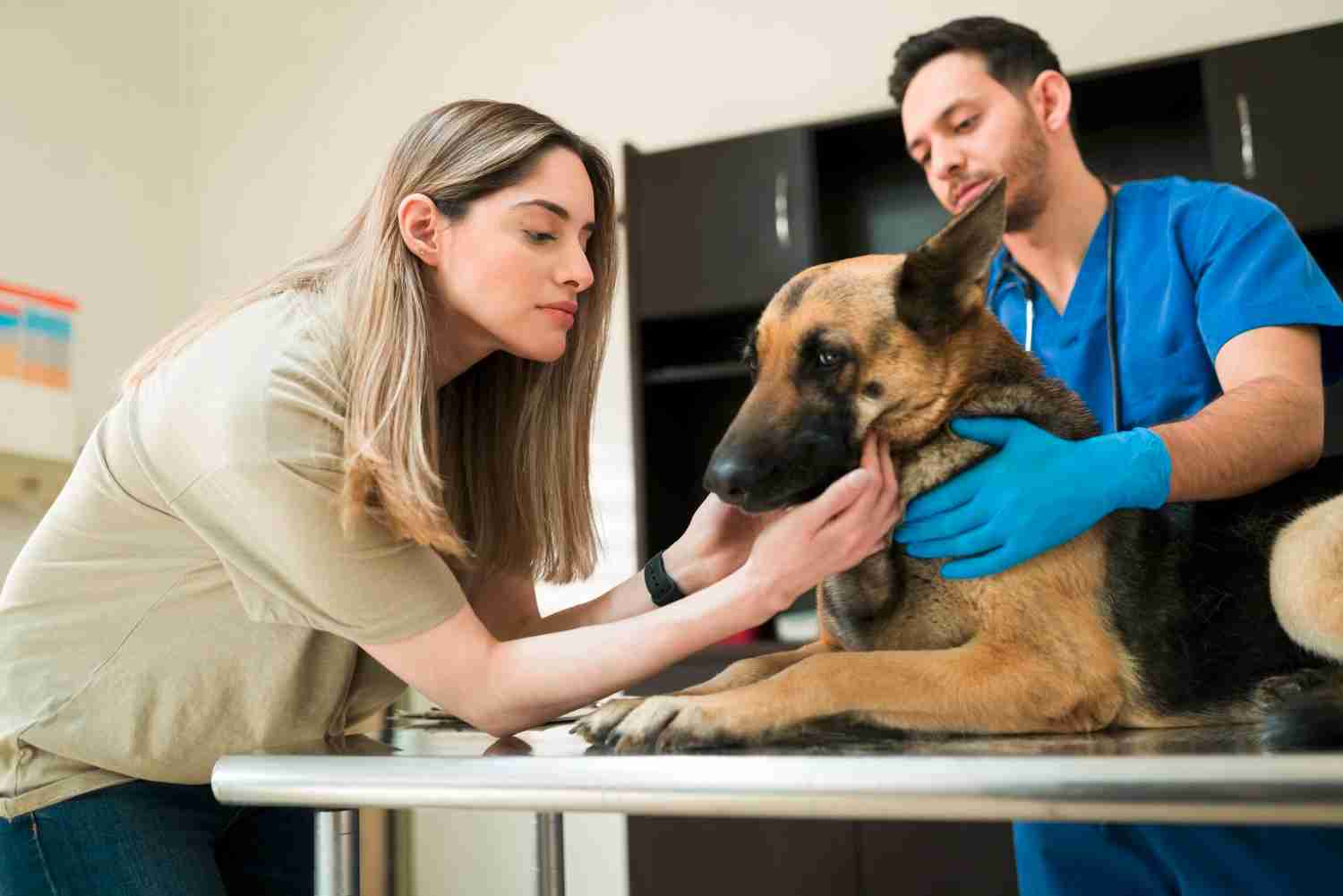
Have you ever stopped to think what your pet would say if they could tell you how they're feeling? That wagging tail or soft purr might hide a world of unspoken needs. Our furry, feathered, and four-legged friends depend on us to keep them healthy, and regular veterinary care is the cornerstone of that responsibility.
Taking your pet to the vet isn't just about fixing problems when they arise; it's about preventing illness, extending life, and ensuring every day is filled with vitality and joy. Think of your veterinarian as your pet's lifelong wellness partner in helping you understand their body, behaviour, and every stage of growth.
When you invest in routine care, you are not just improving your pet's health; you are deepening the bond that makes them part of your family.
Top Benefits of Regular Veterinary Care
Early Detection of Health Issues
Pets are pros at keeping any discomfort under wraps. They can't tell us when something's not quite right, so a lot of conditions go unnoticed until they become serious. Regular veterinary exams catch these 'silent' health threats before they get worse.
A veterinarian can pick up the early signs of diabetes, thyroid disorders, dental disease, kidney problems, and even cancer just from a simple examination or routine bloodwork. Early detection often means:
-
Less invasive treatments
-
Higher chances of recovery
-
Lower long-term costs
For instance, an early detection of a heart murmur at an annual check-up may be treated with medication instead of emergency surgery later in life. Regular monitoring ensures subtle changes are never missed, which allows your pet the best possibility of a long, comfortable life.
Preventive Care and Vaccinations
The most powerful form of care is prevention. Regular visits to a veterinarian include vaccination, parasite control, and wellness checks that protect your pet against life-threatening diseases.
Vaccination against common diseases like rabies, distemper, parvovirus, and feline leukemia. Preventive care may also include:
-
Spay/neuter surgeries
-
Anthelminthic drugs
-
Regular flea and tick control
-
Microchipping for safety
These proactive measures protect both your pet and your family. Many zoonotic diseases, illnesses that can spread from animals to humans, are preventable with consistent veterinary care.
When you stay ahead of disease, you ensure that your pet spends more time chasing balls and fewer days visiting the emergency room.
Dental Health and Hygiene
Imagine never brushing your teeth for years, and that is not a pleasant image at all. Sadly, that is what so many pets endure. Dental disease is among the most common but preventable issues in cats and dogs.
These include pain, bad breath, and even heart or kidney problems when tartar buildup, gum infections, and tooth decay are not treated.
During dental exams, your vet will:
-
Check for any gum disease or loose teeth.
-
Recommend cleanings or at-home brushing routines
-
Offer advice on dental-friendly diets or chews.
Keeping your pet's mouth healthy does far more than just freshening their breath—it adds years to their life.
Nutrition and Weight Management
Just like humans, pets thrive on balanced diets. A dog fed table scraps or an overweight cat might look content, but poor nutrition can lead to serious health complications, including diabetes, arthritis, and heart disease.
Your veterinarian is your most valued resource for guidance on your pet's nutrition plan. A veterinarian can help you:
-
Choose the best food for the age, breed, and health of your pet.
-
Adjust portion sizes to maintain ideal weight
-
Monitor fluctuations in weight and recommend supplements if necessary.
Healthy nutrition keeps your pet active, alert, and full of energy. You can ensure your companion stays fit, not just fed, with regular input from a veterinarian.
Parasite Prevention and Control
Parasites are sneaky and stubborn. Besides causing irritation, fleas, ticks, and worms all carry diseases that affect pets and humans alike.
Regular veterinary visits offer parasite control through a year-round prevention program designed specifically for your pet. It may be a topical treatment, a chewable tablet, or a monthly injection, but your veterinarian will make sure your pet is covered through every season.
Regular stool checks and skin exams catch the infestations early, saving your pet from discomfort and your home from unwanted visitors.
Behavioral Assessments and Training Guidance
When pets act out, there's usually a reason. Chewing or scratching and sudden displays of aggression may signal stress, anxiety, or even underlying health problems.
Vets can help identify whether behavioral changes stem from medical issues or emotional distress. They can also provide professional training tips or referrals to certified behaviorists.
With time, frequent visits by the vet help him get to know your pet's normal state and therefore facilitate observing changes in the animal. Together, you'll foster both physical and mental health.
Senior Pet Care and Age-Related Monitoring
Just like their owners, pets age, and their needs change. Senior pets demand extra care, attention, and patience. Regular veterinary visits can help you manage age-related issues as early as possible with compassionate care.
Your vet may recommend:
-
Senior-specific diets
-
Bloodwork to monitor organ function
-
Pain management for arthritis
-
Supplements for mobility and cognition
These changes can make your pet's golden years range from sluggish to serene. Regular checkups also help maintain comfort, prevent suffering, and celebrate the love and loyalty of your lifelong friend.
How Regular Vet Visits Save Money in the Long Run
Many pet parents skip annual exams in order to save money, but the truth is that preventive care costs far less than treating advanced disease.
For instance:
-
Treating a mild dental problem might cost a fraction of a tooth extraction surgery.
-
Parasite prevention is less expensive than the hospitalization of a pet for anemia or infection.
-
Early blood work can reveal manageable issues before they become life-threatening.
When you keep up with regular vet care, you are investing in your pet's future and saving yourself emotional and financial stress later on.
Why Choose Zesty Paws?
Welcome to Zesty Paws—Your Companion's Health Hub!
At Zesty Paws, we believe every pet deserves proactive, joyful, and well-informed care. That is why we have created a one-of-a-kind platform designed for modern pet parents.
Zesty Paws App: With the app, you can
-
Keep your pet's digital health profile updated.
-
Monitor health, nutrition, and vaccinations
-
Set reminders for vet appointments or medication
-
Access educational resources and expert advice
Whether you're raising a curious kitten or a wise senior dog, Zesty Paws helps you stay on top of every milestone.
Join our family of pet lovers, nutritionists, and experts-and make every paw count.
Discover My Zesty Paws App today: Because we don't just love pets, we live for them.
Conclusion
Regular veterinary care is not a luxury; it's an act of love. It's the way we repay the love our pets show us day in and day out. Keeping regular checkups, vaccinations, and preventive care means setting up your furry friend for a future of wagging tails, happy purrs, and joyful adventures.
Professional veterinary care paired with the Zesty Paws app empowers you to manage your pet's wellness with ease and confidence. You can give your beloved companion the healthiest, happiest life possible—together with your vet.
So don't wait for an illness—schedule that checkup, log into the app, and start celebrating your pet's best life today.
Frequently Asked Questions ?
1. How often should my pet see the vet?
Most pets need at least one annual wellness visit. Puppies, kittens, and seniors often require more frequent checkups to monitor growth and age-related changes.
2. What are the benefits of preventive veterinary care?
Proper preventative care can help detect diseases early, prevent infections, support dental and nutritional health, and extend your pet's life.
3. How can I prepare my pet for a vet visit?
Keep pets as calm and comfortable as possible on visits by bringing favorite treats, a familiar blanket or toy, and scheduling visits during less busy times.
4. My pet appears healthy; do they still need checkups?
Yes, so many conditions develop in silence. Regular visits to the vet will help catch small problems before they become major health concerns.
5. How does Zesty Paws make pet care easier?
The Zesty Paws app helps you organize your pet's health information, set vet visit reminders, and access expert wellness tips to make pet care simpler, smarter, and stress-free.